
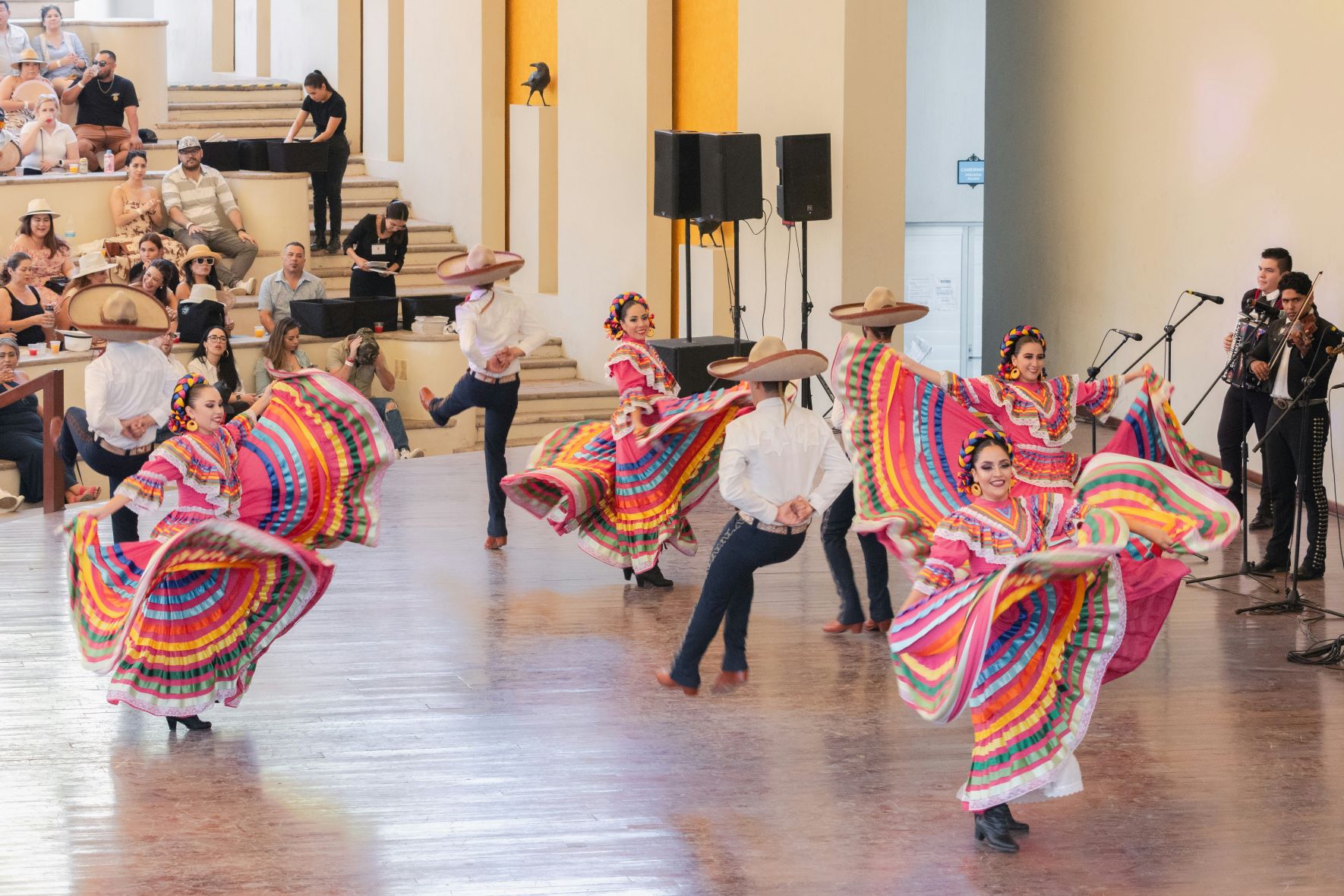
Mi Lindo Folklor carries a full selection of mens folkloric boots designed for traditional Mexican dance performances and cultural celebrations. Whether you’re preparing for a ballet folklórico show, a quinceañera, or a regional dance competition, the right boots make a difference in both appearance and footwork. Folkloric boots for men are built to support the demanding heel strikes and zapateado footwork that define Mexican folk dance. They also complete the look of a traditional charro or regional costume.
Every pair at Mi Lindo Folklor is chosen to meet the standards that dancers and performers expect — proper construction, authentic styling, and a fit that holds up through rehearsals and performances alike. This guide covers what to look for when shopping for folkloric mens boots, the styles available, and how to keep them in top condition.
What Makes Folkloric Boots for Men Different from Regular Boots
Folkloric boots are not fashion accessories. They are performance footwear built for a specific type of movement. The sole construction is firmer than a standard dress boot, which allows dancers to produce clean, sharp sounds during zapateado sequences. The heel is reinforced to absorb repeated impact without breaking down.
Most folkloric boots for men also feature a taller shaft that supports the ankle during fast directional changes. The leather is stiffer at first but molds to the foot over time, creating a custom fit that improves with use.
Heel and Sole Construction
The heel on a folkloric boot is wider and more stable than what you’d find on a cowboy boot. This matters because folklórico choreography demands precision strikes — a narrow heel throws off balance and muffles sound. The sole is usually leather or a leather-composite material that produces the right tone against hardwood and concrete stages.
Shaft Height and Ankle Support
A proper folkloric boot sits above the ankle, sometimes reaching mid-calf depending on the regional style. This height keeps the boot secure during high-energy footwork and prevents rolling or shifting that could lead to injury.
Styles of Mens Folkloric Boots by Region
Mexican folk dance varies by state, and so do the boots. A Jalisco-style performance calls for a different boot than a Veracruz son jarocho or a Norteño number. Understanding which style matches your performance helps you buy the right pair.
- Charro boots are the most recognized style, featuring a pointed toe and decorative stitching, commonly worn in Jalisco and ranchero performances
- Norteño boots tend to have a slightly rounder toe and a lower heel, suited for polka-based footwork from northern Mexico
- Son jarocho boots from Veracruz are often lighter with a thinner sole to allow for the fast, rhythmic tapping on a tarima
- Huasteco-style boots pair with the Huasteca region’s dance traditions and prioritize flexibility for intricate footwork patterns
Each style reflects the dance tradition it belongs to. Choosing the wrong boot for a specific regional dance affects both your performance and your appearance on stage.
How to Choose the Right Fit for Folkloric Mens Boots
Fit matters more with performance footwear than with everyday shoes. A boot that’s too loose will slide during turns, and one that’s too tight will restrict blood flow and cause blisters during long rehearsals.
When trying on folkloric mens boots, wear the same type of sock you plan to dance in. Walk around, shift your weight, and simulate a few zapateado steps if possible. The ball of your foot should sit flat against the sole without any bunching or pressure points.
Width and Arch Considerations
Folkloric boots typically run narrow compared to standard American sizing. If you have a wider foot, size up by a half size rather than forcing a tight fit. Dancers with high arches should look for boots with a slightly curved insole or plan to add a thin orthotic insert for additional support during long rehearsals.
Breaking In New Boots
New leather boots need a break-in period. Wear them around the house for short sessions before taking them to a full rehearsal. Some dancers use leather conditioner on the interior to speed up the softening process. Avoid soaking them in water — this weakens the sole adhesive and warps the shape.
Caring for Your Mens Folkloric Boots
Good boots last years if you maintain them. Neglect shortens their life and dulls their stage presence.
- Clean after every use by wiping down the leather with a dry cloth to remove dust and sweat
- Condition the leather every two to three weeks with a quality leather balm to prevent cracking
- Store upright with boot shapers or rolled newspaper inside to maintain the shaft shape
- Rotate pairs if you rehearse frequently — giving boots a day to rest between uses extends their lifespan
- Keep away from heat sources like radiators and direct sunlight, which dry out and crack leather
Proper care protects your investment and keeps your boots looking and sounding right for every performance.
When to Replace Your Folkloric Boots
Even well-maintained boots wear out. The first sign is usually the heel — once it starts to compress unevenly or wobble, the boot no longer provides stable footing. Sole separation is another clear indicator. If you notice the leather cracking near the flex point of the foot, the boot has lost its structural support.
Dancers who perform weekly may need new boots every one to two years. Those who rehearse and perform less frequently can often get three or more years from a quality pair. Inspect your boots regularly and replace them before they compromise your footwork or your safety.
What to Look for When Buying Mens Folkloric Boots Online
Shopping online for performance footwear requires more attention than buying casual shoes. You can’t try them on first, which is why Mi Lindo Folklor provides accurate sizing charts, detailed product photos, and thorough descriptions for every pair of mens folkloric boots in the catalog.
Product Details That Matter
Mi Lindo Folklor lists the construction specifics dancers need — sole material, heel height, and shaft measurement — so you know exactly what you’re getting before you order. That level of detail comes from understanding folklórico performance demands, not just shoe sizes and colors.
Sizing and Fit Support
Mi Lindo Folklor can answer questions about regional style accuracy, break-in expectations, and how specific boots run in terms of width and arch before you commit to a purchase.
Shop Mens Folkloric Boots at Mi Lindo Folklor
Mi Lindo Folklor carries folkloric boots for men in the styles and sizes that dancers actually need. Every pair in stock is selected for authentic construction, proper heel and sole design, and the kind of durability that holds up through seasons of rehearsals and performances. If you’re preparing for a show, building a new costume, or replacing worn-out boots, browse the full selection at Mi Lindo Folklor and find the right pair for your next performance.