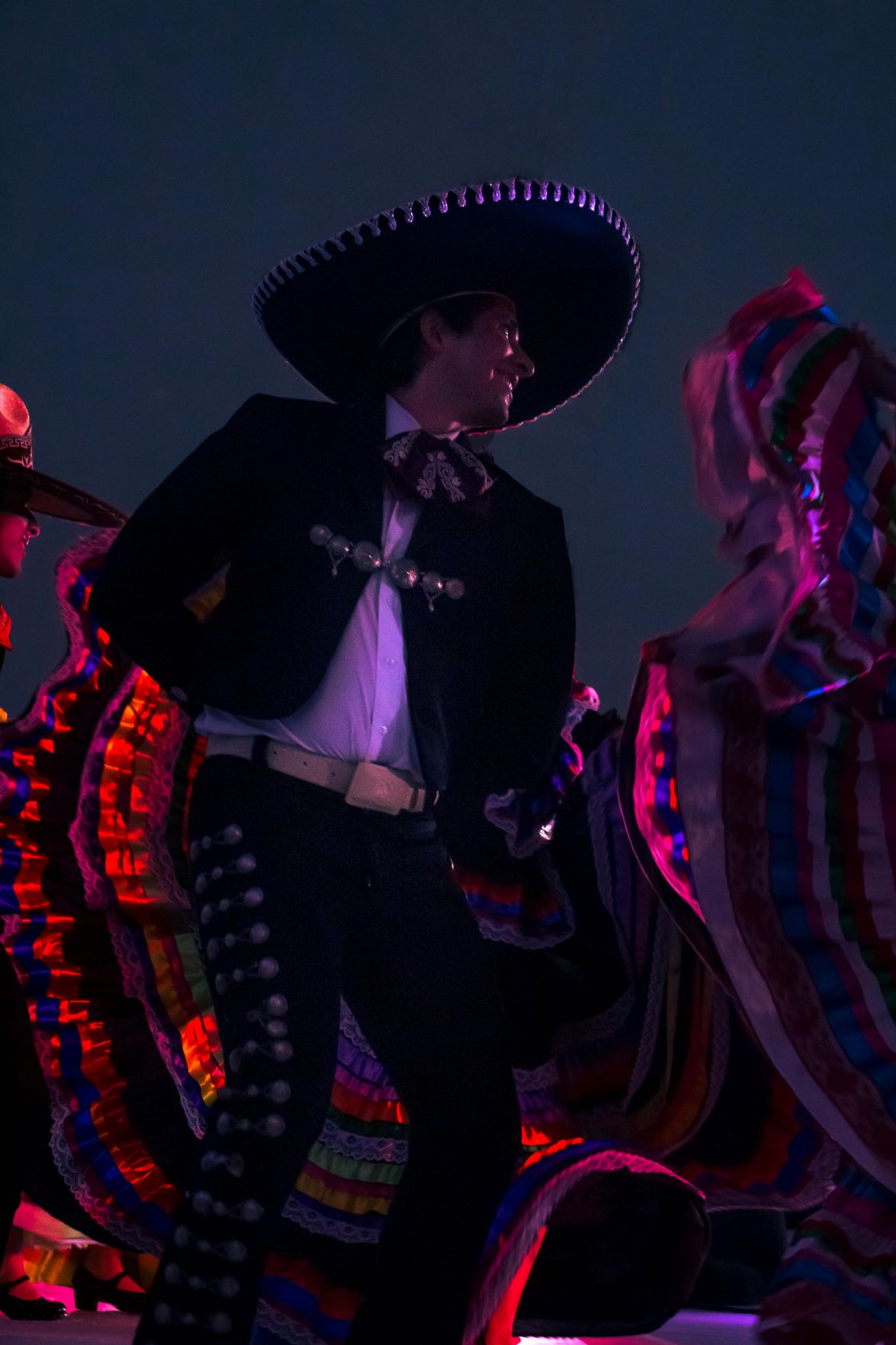
Choosing the right mens Mexican dancewear for your folkloric dance group requires careful consideration of regional authenticity, fabric quality, and performance durability. The wrong outfit can distract from your choreography, while proper attire enhances movement and honors the cultural traditions you’re representing. Whether you’re outfitting a new troupe or replacing worn pieces, understanding the specific requirements of each regional style ensures your dancers look professional and feel comfortable during rehearsals and performances.
Dance directors often face challenges balancing budget constraints with quality needs. A well-chosen Mexican dance outfit for men should last multiple seasons while maintaining color vibrancy and structural integrity through countless washes and performances.
Understanding Regional Style Requirements
Different Mexican states require distinct dancewear elements. Jalisco outfits feature charro-style pants with decorative botones, while Veracruz demands all-white guayaberas paired with specific accessories. Your selection process should start by identifying which regional dances your group performs most frequently.
Each state’s traditional costume tells a story through specific details. Puebla’s attire differs significantly from Sinaloa’s requirements, and mixing elements from different regions creates an inauthentic presentation that knowledgeable audiences will notice immediately.
Matching Outfits to Your Repertoire
Consider your performance calendar when selecting mens Mexican dance outfits. Groups performing multiple regional styles need versatile pieces that can transition between numbers or require completely separate ensembles for each dance.
Fabric Quality and Performance Durability
Cotton-blend fabrics withstand repeated washing better than pure synthetics, which can pill and lose shape after several performances. The fabric should allow movement without restricting dancers during complex footwork sequences or partner work.
Look for reinforced stitching at stress points like inseams and shoulder seams. Dance movements place considerable strain on these areas, and poorly constructed garments will fail during performances. Quality construction costs more initially but saves money over time by reducing replacement frequency.
Breathability Matters for Long Performances
Dancers generate significant body heat during performances. Fabrics that trap moisture create discomfort and can lead to visible sweat stains under stage lighting. Natural fibers or moisture-wicking blends keep performers comfortable during extended dance sequences.
Sizing Considerations for Dance Troupes
Ordering mens dancewear requires accurate measurements from each dancer. Garments that fit too loosely look sloppy and can catch during turns, while overly tight clothing restricts movement and creates discomfort.
Standard sizing charts don’t always account for athletic builds common among dancers. Consider ordering samples in multiple sizes to determine the best fit for your group before placing bulk orders. This approach prevents costly returns and ensures uniformity across your ensemble.
Accommodating Growth and Body Changes
Youth dance groups need sizing flexibility as dancers grow. Some directors order slightly larger sizes and have costumes tailored down, allowing for future adjustments as young dancers develop.
Accessory Coordination
A complete Mexican dance outfit for men extends beyond shirts and pants. Hats, sashes, boots, and other accessories complete the authentic look. These elements should complement the primary garments without overwhelming the overall presentation.
Accessories vary significantly by region:
- Sombreros with specific brim widths and decorative bands for certain states
- Paliacates tied in traditional patterns specific to regional styles
- Regional-specific footwear that supports the dance style’s particular movements
- Braids, belts, and moños that match the outfit’s color scheme
Color Consistency Across Multiple Outfits
When ordering sets for multiple dancers, request garments from the same dye lot. Color variations between pieces from different production runs create a mismatched appearance on stage, even if individual outfits are identical in style.
White garments present particular challenges. Veracruz outfits require bright white that doesn’t yellow with age. Ask suppliers about their fabric’s color-fastness and washing instructions to maintain the crisp appearance these styles demand.
Budget Planning Without Sacrificing Quality
Dance groups working with limited funds should prioritize quality for frequently worn pieces. A well-made guayabera that lasts three seasons provides better value than cheaper alternatives requiring annual replacement.
Consider building your costume inventory gradually. Start with one or two regional styles performed well rather than attempting to outfit every possible dance with substandard pieces. Mi Lindo Folklor offers authentic Mexican folkloric dancewear with options for schools and cultural organizations looking to build quality costume collections that honor traditional designs.
Investment Pieces vs. Replaceable Items
Some costume elements like decorative sombreros justify higher investment due to their visual impact and durability. Other pieces like paliacates and basic undershirts can be replaced more economically as needed.
Care and Maintenance Requirements
Understanding garment care before purchasing prevents damaged costumes and extends outfit lifespan. Some traditional fabrics require hand washing, while others tolerate machine washing on gentle cycles.
Ask about stain removal recommendations specific to each fabric type. Performance makeup, sweat, and stage dirt create different challenges requiring different cleaning approaches. Proper storage between performances prevents crushing, fading, and moisture damage.
Working With Specialized Suppliers
General costume shops rarely stock authentic regional Mexican dancewear with proper construction details. Specialized suppliers understand the specific requirements of folkloric dance and can guide directors toward appropriate selections for each regional style.
Establish relationships with a supplier who understands dance groups’ unique needs. They can advise on sizing for bulk orders, suggest alternatives when specific items are unavailable, and often provide better pricing for dance schools ordering multiple outfits.