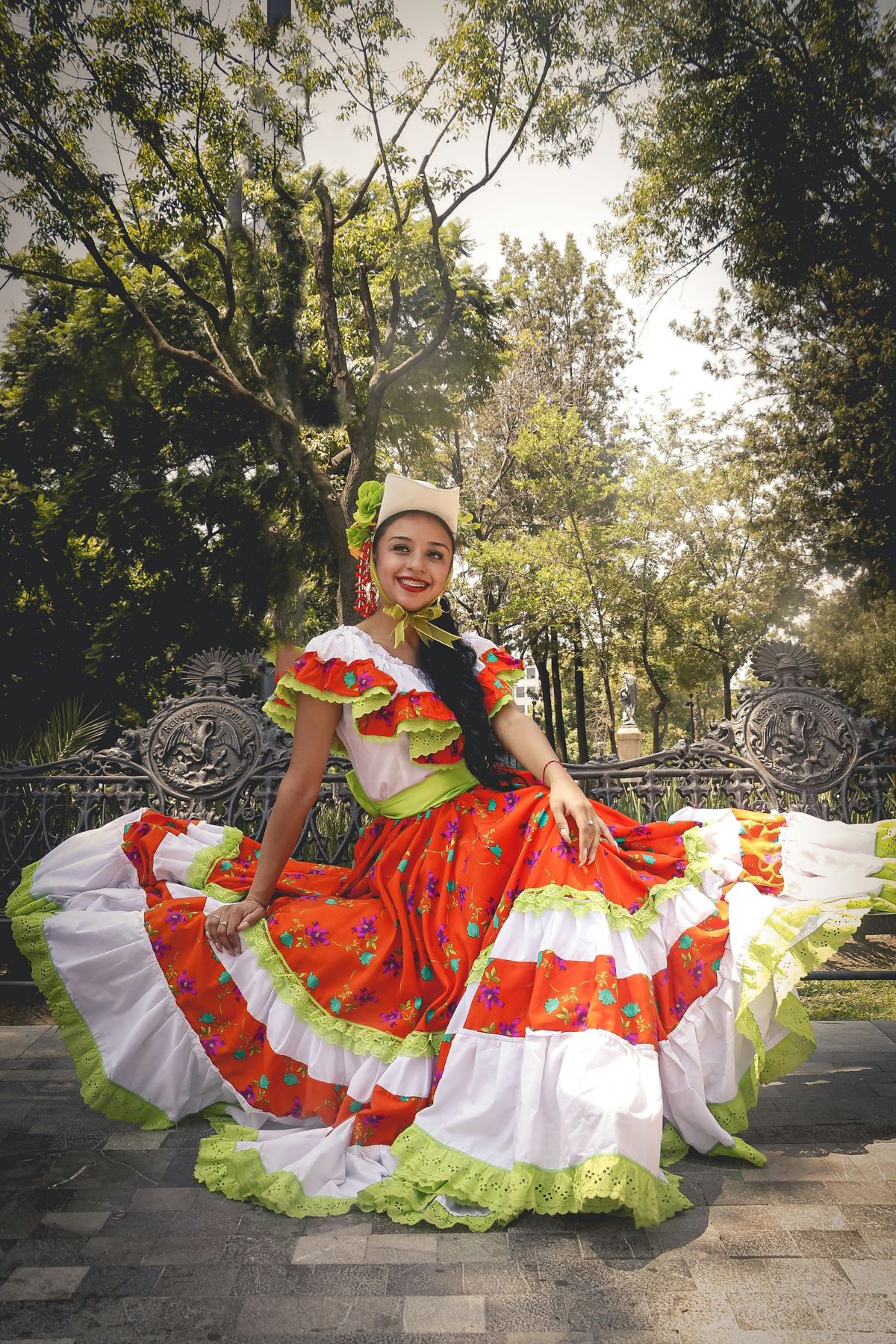
Finding the right dancewear for ballet folklórico starts with knowing where to look. Mi Lindo Folklor carries a full selection of womens folkloric outfits built for traditional Mexican dance. The shop offers everything from complete costume sets to individual skirts, blouses, and accessories — all designed with authentic regional styles in mind. Whether you’re a solo performer, part of a dance group, or shopping for a daughter’s first recital, Mi Lindo Folklor has what you need. Browse their collection to find the right fit for your next performance. Traditional Mexican dance demands clothing that moves, holds color, and represents the culture it comes from. That’s exactly what womens folkloric dressware is made to do. Every skirt, blouse, and accessory serves a purpose on stage, and the right womens folkloric costumes can make the difference between a good performance and a great one.
Why Womens Folkloric Dressware Is Built Differently
Traditional Mexican dancewear isn’t regular clothing with some embroidery added on. These pieces are designed from the ground up for performance.
Movement Comes First
A folklórico skirt has to fan out during spins and hold its shape through fast footwork. That means yards of fabric cut in wide circles, hemmed with enough weight to create flow without dragging. Blouses are cut to allow full arm extension — no tight shoulders, no restrictive seams. Every piece is made with the understanding that the dancer needs to move freely from the first step to the last.
Fabrics That Perform
Not all fabric works for folkloric dance. Materials that wrinkle easily, cling to the body, or lose their color after a few washes won’t last. Quality dancewear uses fabrics that hold dye well, resist wear, and maintain structure through dozens of performances and washes.
How Regional Styles Shape Womens Folkloric Costumes
Mexico’s dance traditions vary by state, and the costumes follow. What a dancer wears on stage tells the audience exactly which region and tradition the performance represents.
Jalisco vs. Veracruz vs. Chiapas
A Jalisco outfit features a wide, ribbon-trimmed skirt paired with a ruffled blouse. Veracruz calls for an all-white dress with lace and a fan. Chiapas uses heavy floral embroidery on dark fabric. Each look is tied to the music, the footwork, and the cultural story behind the dance. Mixing elements from different regions doesn’t just look off — it misrepresents the tradition.
Knowing What Your Dance Requires
Before buying anything, identify the specific dance you’re performing. Your instructor or choreographer will usually specify the regional style, color palette, and required accessories. Starting with that information saves time and money, and it keeps the performance authentic.
What to Look for When Choosing Womens Folkloric Outfits
Not all dancewear is made equal. There are a few things worth checking before making a purchase.
Fit and Range of Motion
The costume should allow a full range of movement. Skirts that are too narrow won’t fan properly. Blouses that are too tight will pull during arm movements. Try the costume on and move in it — do a turn, raise your arms, and bend at the waist. If anything restricts you, the fit is wrong.
Embroidery and Detail Quality
Look closely at the stitching. Loose threads, uneven patterns, and thin embroidery are signs of low quality. Whether the embroidery is handmade or machine-done, it should be clean, consistent, and secured well enough to hold up through multiple performances.
What Goes Into a Full Costume Set
A complete folkloric costume includes more than just a dress or skirt. Several pieces work together to create the full look.
- Full circle skirt or dress cut to the appropriate regional style
- Blouse with lace, embroidery, or ruffled detail depending on the tradition
- Sash or waist belt for color contrast and waist definition
- Hair accessories like flowers, ribbons, or decorative combs
- Petticoat or underskirt for added volume and skirt movement
- Dance shoes or boots matched to the style of dance
Missing any of these changes the look on stage. A costume that’s 90% complete still reads as incomplete to anyone who knows the tradition.
Ordering Womens Folkloric Dressware for Groups
Dance teams, school groups, and cultural organizations face a different set of challenges when ordering costumes for multiple performers.
Getting Consistent Color and Fabric
Ordering from a single source is the easiest way to keep costumes matching. Different suppliers may use slightly different dye lots or fabric weights, and those small differences show up on stage. Consistency across the group matters more than individual preference when it comes to color and material.
Managing Sizes Across a Team
Every dancer’s body is different. Group orders need accurate measurements from each performer, and it helps to work with a seller that understands how folkloric garments are supposed to fit. Mi Lindo Folklor works with groups regularly and can advise on sizing across a full roster of dancers — from children to adults.
How to Take Care of Your Costumes
Folkloric costumes are an investment. Treating them well means they’ll last for years of performances instead of falling apart after a few uses.
- Hand wash or use a gentle cycle with cold water to protect embroidery and beading
- Never wring or twist decorated sections of the garment
- Hang dry in the shade to prevent color from fading
- Store on padded hangers or flat to keep the garment’s shape
- Use a steamer instead of an iron on delicate fabrics and trims
A few extra minutes of care after each performance goes a long way.
Understanding the Difference Between Costume Quality Levels
Not every costume is built for the same purpose. Understanding the tiers helps you buy the right one for the occasion.
Practice-Level Costumes
These are simpler, more affordable versions used for rehearsals and classes. They get the general look right without the finer details. They’re built to take a beating and be replaced without much cost.
Performance-Level Costumes
These are what you wear on stage. Better fabrics, tighter stitching, accurate regional details, and more durable construction. A performance-level costume holds up under stage lighting and audience scrutiny in a way that a practice piece can’t.
Heirloom and Custom Pieces
Some dancers invest in handmade, custom-fitted costumes with detailed handwork. These are often passed down through families or kept for special occasions. They take longer to produce and cost more, but they carry a level of craftsmanship and cultural significance that mass-produced options don’t.
Why the Right Costume Matters More Than You Think
A folkloric performance is a cultural statement. The costume is part of that statement. When a dancer walks on stage wearing the right outfit — properly fitted, regionally accurate, and well cared for — the audience sees respect for the tradition before a single step is taken.
Mi Lindo Folklor understands that connection between costume and culture. Their selection is built around getting those details right so dancers can focus on the performance and trust that their look is authentic from head to toe.