Mi Lindo Folklor creates custom Mexican skirts designed specifically for folkloric dancers at every level. When you need Mexican dance skirts that fit properly and honor regional traditions, working with a specialized maker ensures you get the right construction, fabric, and styling for your performances.
Mexican folkloric skirts require specific design elements depending on which regional dance you perform. A Jalisco skirt differs significantly from a Veracruz skirt in construction, fabric weight, and ribbon placement. Mi Lindo Folklor understands these distinctions and builds each piece to match the authentic requirements of your dance style.
Dancers searching for Mexican folklor skirts often struggle to find ready-made options that fit well or use quality materials. Custom construction solves both problems. You get a skirt made to your measurements using fabrics that flow correctly and hold up through countless rehearsals and performances.
Contact Mi Lindo Folklor today to discuss your custom skirt needs and get started on a piece built specifically for you.
Why Dancers Choose Custom Mexican Dance Skirts
The Fit Problem with Mass-Produced Skirts
Standard sizing rarely works for dance costumes. A skirt that’s too long creates a tripping hazard. One that’s too short loses the dramatic effect of traditional movements. Waistbands that don’t sit properly shift during spins and footwork.
Custom Mexican dance skirts eliminate these issues. Every measurement gets taken into account—waist, hip, preferred length, and how much fullness you need for your specific choreography.
Movement and Fabric Considerations
Folkloric dance involves quick turns, high kicks, and dramatic skirt work. The fabric must move with you while maintaining its shape. Cheap materials bunch up, cling to legs, or lose their body after a few washes.
Quality construction means selecting the right fabric weight for each dance style and building in the proper amount of fullness to create those signature flowing movements audiences expect.
Regional Styles of Mexican Folklor Skirts
Mexico’s dance traditions vary dramatically by region. Each state has developed its own costume traditions over centuries.
Jalisco Style
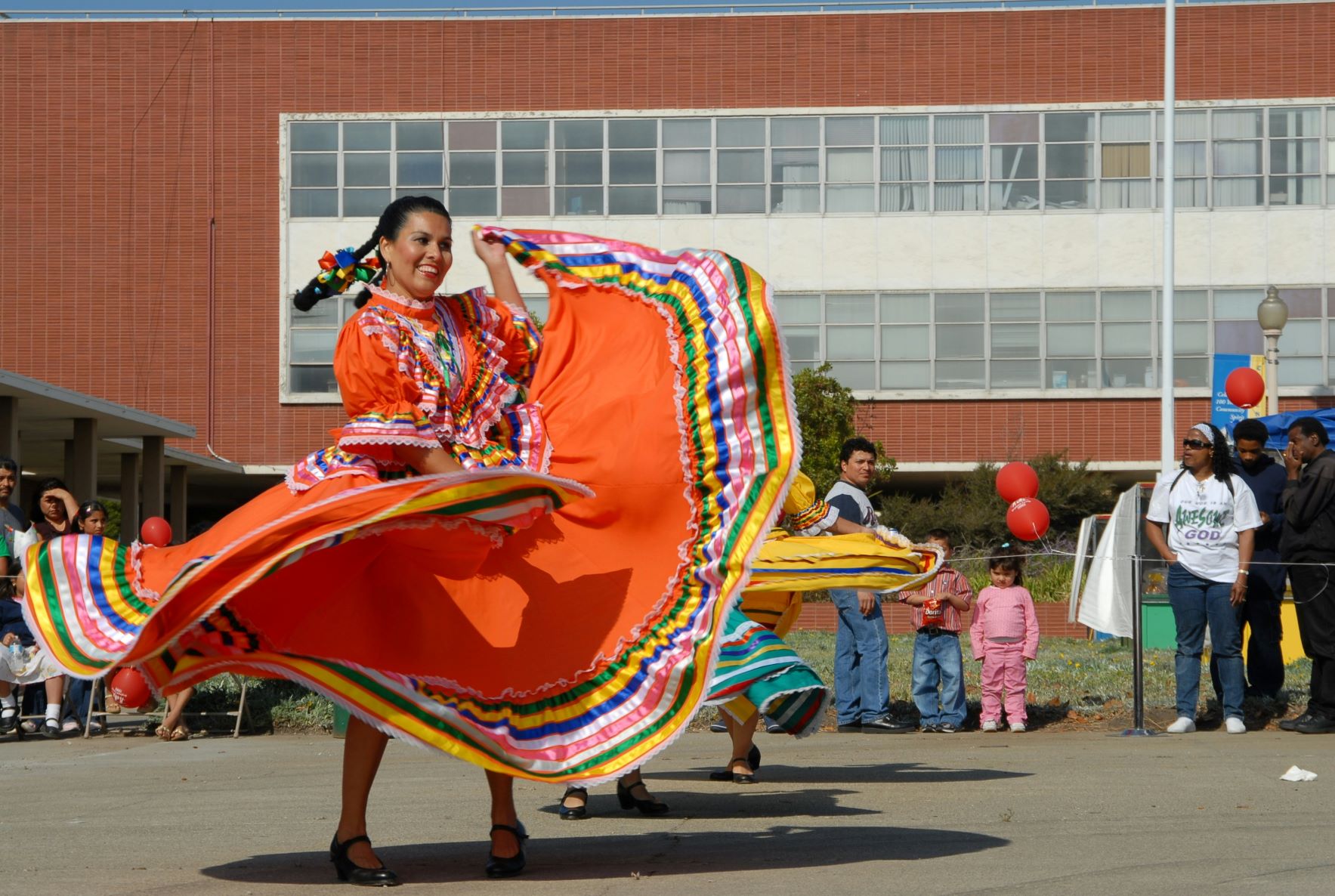
The iconic china poblana and Jalisco styles feature wide, colorful skirts with sequined or embroidered designs. These Mexican folklor skirts require substantial yardage to achieve the proper fullness for ribbon dances and zapateado.
Veracruz Style
Veracruz costumes feature white skirts with lace trim and colorful aprons. The construction differs from Jalisco pieces, with specific requirements for how the skirt falls during the distinctive hip movements of jarocho dancing.
Northern Mexico Styles
Polka-influenced dances from states like Nuevo León and Tamaulipas use different skirt constructions. These often feature brighter colors and different fullness levels than southern styles.
What Goes Into Building Mexican Folkloric Skirts
Fabric Selection
The right fabric makes or breaks a dance skirt. Considerations include:
- Weight appropriate for the regional style
- Color fastness to prevent fading
- Durability for frequent washing
- Proper drape for movement
- Breathability for comfort during performances
Construction Details
Quality Mexican folkloric skirts require attention to:
- Reinforced waistbands that stay in place
- Properly finished seams that won’t unravel
- Even hemlines for balanced movement
- Secure ribbon and trim attachment
- Appropriate lining where needed
Sizing and Measurement for Custom Mexican Skirts
Getting accurate measurements matters more for dance costumes than everyday clothing. You need to account for how the body moves, not just static dimensions.
Key Measurements
Waist measurement should be taken at your natural waist, where most folkloric skirts sit. Hip measurement ensures the skirt moves freely over your body during turns. Length depends on your height and the specific dance requirements.
Fitting Adjustments
Some dancers prefer slightly different proportions based on their choreography. Instructors sometimes have specific requirements for group performances where all dancers need matching lengths or fullness levels.
Working with a custom maker allows these adjustments before construction begins rather than trying to alter a finished piece.
Caring for Your Mexican Dance Skirts
Proper care extends the life of your costume investment significantly.
Washing Guidelines
Most folkloric skirts benefit from gentle washing in cold water. Harsh detergents and hot water can fade colors and break down fabric fibers over time. Some heavily embellished pieces may need spot cleaning only.
Storage Tips
Store skirts hanging when possible to prevent creasing. Keep them away from direct sunlight to preserve colors. Sequined or beaded pieces should be stored separately to prevent snagging other costumes.
Ordering Timeline for Custom Pieces
Custom Mexican skirts take time to construct properly. Planning ahead ensures your costume arrives well before your performance date.
Rush orders sometimes accommodate last-minute needs, but allowing adequate production time means the maker can give full attention to details without cutting corners. Most custom pieces require several weeks from initial measurements to finished product.
Group Orders
Dance groups and school groups ordering multiple pieces should plan for additional production time. Coordinating fabrics across multiple skirts and ensuring consistent construction takes longer than single orders.
Finding the Right Custom Skirt Maker
Not every seamstress understands folkloric dance requirements. Look for makers who specialize in Mexican dance costumes and understand the regional differences between styles.
Ask about their experience with your specific dance type. A maker familiar with Jalisco styles may need guidance on Veracruz construction, and vice versa.
Quality materials, proper construction techniques, and understanding of how dancers move all contribute to a finished piece that performs well and lasts through years of use. Your investment in custom Mexican folkloric skirts pays off every time you take the stage in a costume built specifically for you and your dance.