
Why Attire Is Central to Ballet Folklorico
Ballet folklorico is not just a dance — it is a living cultural tradition representing dozens of distinct Mexican regions, each with its own dress, movement, and historical meaning. If you are new to the art form and searching for a ballet folklorico dress guide that covers the basics honestly, you are in the right place. Mi Lindo Folklor, based in San Diego, California, specializes in authentic folkloric attire for individual dancers, school programs, and performance groups across the United States. Getting the attire right is not a style preference — it is a mark of respect for the tradition, and experienced teachers and judges notice when it is wrong.
The Regional Foundation: Why It Comes First
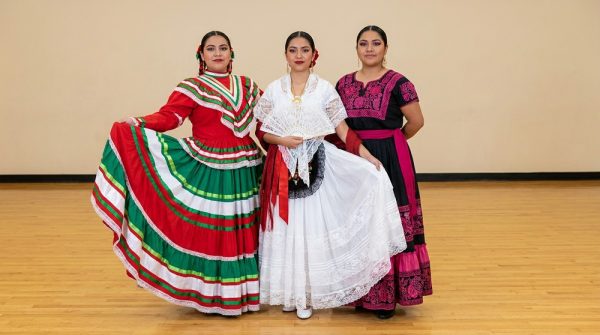
Mexico has 31 states, and ballet folklorico draws choreography and dress from many of them. Each region developed its own traje típico — traditional dress — shaped by indigenous heritage, climate, and colonial history. A Jalisco dress is defined by its wide, tiered skirt in red, white, and green. A Veracruz outfit features white cotton with lace trim and a fan or headpiece. A Michoacán dress showcases the black-and-pink saya of the Purépecha people. A Sinaloa dress brings layered ruffles and Pacific coast color.
Understanding which region your choreography represents is the first decision in any folkloric attire purchase. No single Mexican folkloric dress covers all regions — and using a Jalisco skirt for a Veracruz number is a detail that audiences, adjudicators, and fellow dancers catch immediately.
What a Complete Ballet Folklorico Outfit Includes
For women, a complete folkloric dance attire set typically consists of a full skirt, a blouse, a rebozo or shawl, and regional footwear. Fans, headpieces, and sashes are region-specific additions. The skirt is the defining piece — its fabric weight, hem circumference, and ribbon placement determine how it moves during a full spin. A skirt that does not open fully during a giro loses visual impact no matter how clean the technique is.
For men, the traje de charro is the most recognized folkloric uniform: a fitted jacket and pants with embroidery, a wide-brimmed sombrero, and charro boots. The level of embellishment varies by context — simpler for school recitals, more detailed for competitions and professional companies.
What Separates Performance-Grade Attire from Costume-Grade
The difference between performance-grade and costume-grade folkloric attire shows up fast — usually within the first few rehearsals. Quality folkloric skirts use fabric heavy enough to create visual impact through a full revolution. The ribbons are sewn, not glued. Seams are reinforced for repeated wash-and-wear cycles. Off-the-shelf costume alternatives may photograph well, but they rarely survive a full recital season.
A useful benchmark: a well-constructed folkloric skirt should complete a 360-degree turn and return to natural drape within two seconds of the dancer stopping. If the skirt collapses before the arms come down, the fabric is too light — Mi Lindo Folklor accounts for this when selecting every piece it carries.
Dressing Girls for a First Folkloric Performance
Parents shopping for a daughter’s first ballet folklorico performance are often overwhelmed by the number of options. Start simple. For beginners in a California school program, a Jalisco dress is the most common starting point — the style appears in a large portion of school recital choreography, and it is available in a wide range of sizes. Look for adjustable waistbands and generous hem allowances, because children grow between the purchase date and the performance date.
This ballet folklorico dress guide recommends starting with a Jalisco style for most first purchases. For detailed guidance on sizing, color options, and what teachers typically require when choosing a folkloric dress for girls, see our parent’s guide to girls’ folkloric dresses. When in doubt, check with the dance director before buying — programs often specify exact colors or skirt styles for a unified stage look.
Browse Mi Lindo Folklor’s full collection of girls’ folkloric attire, including Jalisco dresses in multiple sizes and colorways.
Men’s Folkloric Attire: The Charro Suit
Men’s folkloric dress deserves separate attention. A charro suit for ballet folklorico that does not fit correctly — jacket gaping at the buttons, pants dragging — undermines the visual impact of the entire number. Beyond fit, the level of embroidery should match the performance context: simpler for school recitals, more detailed for competitions and professional stages.
For more on what to look for in construction and regional style, read our detailed guide to authentic Mexican charro outfits. Mi Lindo Folklor carries charro suits for men and boys in multiple price points, from school program basics to fully embroidered performance sets.
Sizing, Group Orders, and What to Know Before You Buy
Folkloric attire does not follow standard U.S. clothing sizes. Skirts are measured by waist circumference and length. Blouses are sized by bust and shoulder width. Charro suits require chest, waist, and inseam measurements. When ordering online, take actual body measurements — do not estimate from your usual clothing tag. The margin for error is narrow, especially for fitted charro jackets and women’s blouses with structured bodices.
For school and group orders of 10 or more pieces, allow 6–8 weeks before the performance date. This covers shipping, size exchanges, and minor adjustments. Mi Lindo Folklor ships USA-wide from San Diego and accepts custom-measurement orders for programs with specific fit requirements.
Frequently Asked Questions About Ballet Folklorico Attire
What is the difference between folkloric attire and a Mexican costume?
A folkloric dress is designed for performance and built to regional specifications — accurate colors, construction methods, and materials for the tradition it represents. A generic “Mexican costume” from a party retailer is a visual approximation with no connection to any specific region, dance tradition, or cultural practice. For ballet folklorico performance, the distinction matters to teachers, judges, and fellow dancers in the company.
How do I measure correctly for a folkloric dress online?
Take three measurements before ordering: waist (for the skirt), full hip (for fit and movement clearance), and desired skirt length from waist to hem. For blouses, measure bust at the fullest point and note shoulder width. Use these against the product size chart — not your regular clothing size — to select the right option.
How long does a well-made folkloric skirt last?
A quality ribboned folkloric skirt used in regular rehearsals and performances typically lasts two to four seasons with proper care. Hang — never fold — to preserve the ribbon layers. Spot-clean where possible, and avoid machine drying. Charro suits, stored correctly in a garment bag, can last five seasons or more for professional performers who handle them carefully.
Does Mi Lindo Folklor offer custom orders for groups?
Yes. For schools and performance groups needing specific sizing, colors, or regional style variations, Mi Lindo Folklor accepts custom orders. Contact the team directly with your requirements, quantities, and timeline to discuss production options. Custom orders are one of the services that set Mi Lindo Folklor apart from general online retailers.
Ready to Get Started?
Whether you are outfitting one dancer for a school recital or a full company for a competition, Mi Lindo Folklor has the authentic folkloric dance attire your performance requires.
Contact our team or call us at (619) 341-1202.